

Medtrum Highlights Nano CGM Reusable Transmitter Design as Diabetes Device Waste Gains Industry Attention
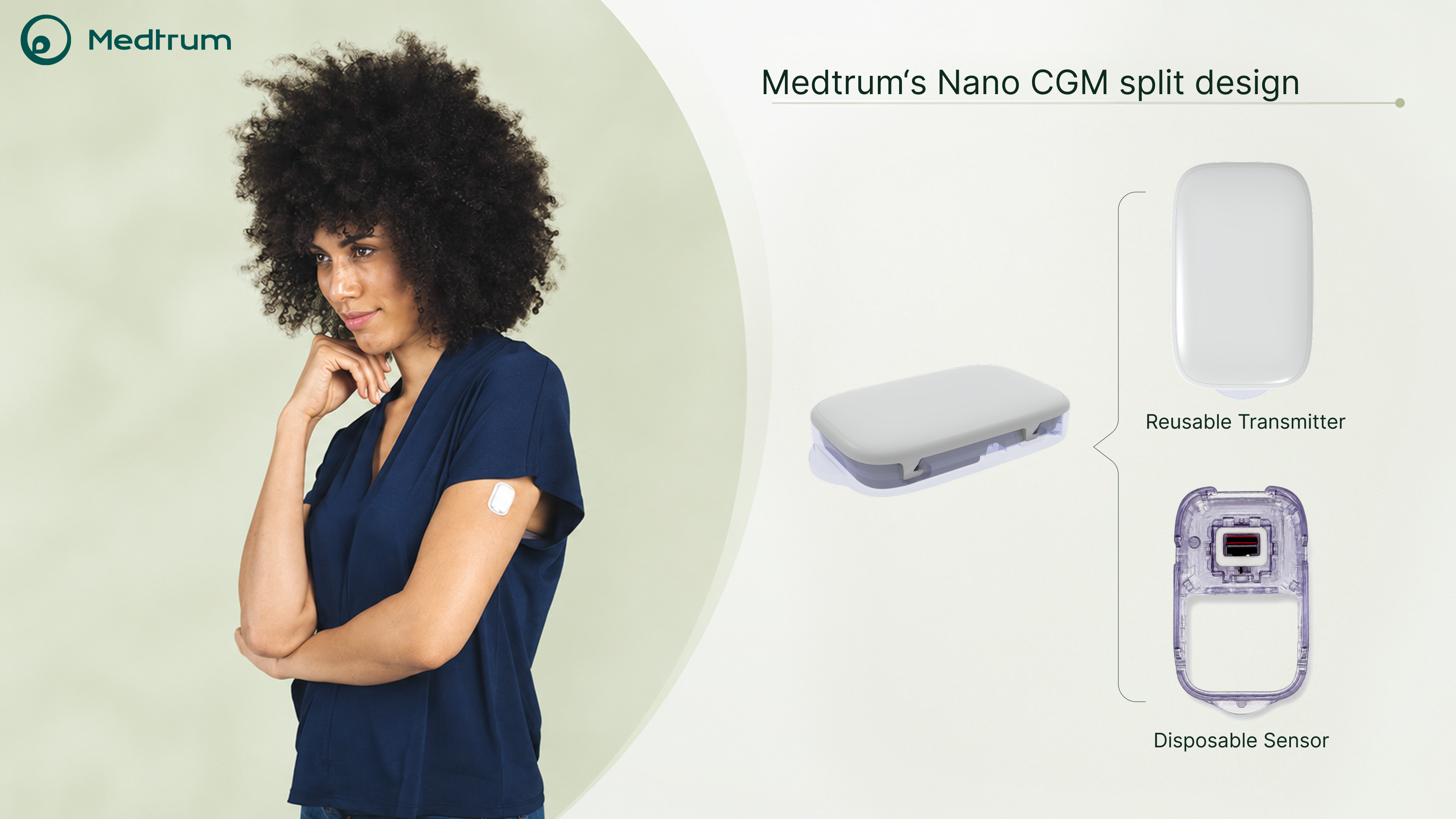
Medtrum Nano CGM uses a split design that separates the disposable sensor from a rechargeable reusable transmitter, helping keep key electronic components in use across sensor cycles.
Medtrum highlights Nano CGM’s rechargeable transmitter design as diabetes device waste and sustainability draw growing industry attention.
TSUEN WAN, HONG KONG, June 18, 2026 /EINPresswire.com/ -- As diabetes technology becomes part of daily care for more people, Medtrum is highlighting a practical design question: when devices are used day after day, which parts need to be replaced, and which can stay in use longer?The company’s Nano CGM system offers one example. It separates a disposable sensor from a rechargeable transmitter that can be reused with subsequent sensors, helping keep key electronic components in service across sensor cycles.
Continuous glucose monitoring (CGM) systems, insulin pumps, and automated insulin delivery technologies have changed the way many people manage diabetes. But as these devices are used more widely, more sensors, batteries, electronic components, adhesives, infusion sets, and packaging materials are entering the waste stream. For healthcare systems and manufacturers, diabetes device waste is becoming not only a disposal issue, but also a design issue.
Nano CGM and Its Reusable Transmitter Design
Medtrum’s Nano CGM system uses a split design. The sensor is designed for up to 14 days of wear, while the transmitter can be recharged and reused with subsequent sensors.
This does not remove all waste from CGM use. Sensors and other medical consumables still need to be replaced safely. But by keeping the transmitter in use for longer, the design may help reduce the routine disposal of batteries and transmitter electronics.
This kind of reusable transmitter design matters because diabetes devices are used again and again in daily life. When a product is replaced every few days or every two weeks, even small parts can add up over time.
Diabetes Device Waste at Industry Scale
The issue goes beyond any single manufacturer. Recent research has started to show the scale of waste linked to diabetes technologies used globally.
A narrative review examining batteries in diabetes devices noted that the annual volume of discarded CGM devices from two major platforms exceeds 153 million units worldwide. Because disposable CGM sensors may contain battery-powered electronics as well as sensor filaments inserted into the skin, they can contribute to both electronic waste and clinical waste streams [1].
Insulin delivery technologies add to the picture. The same review estimated that one tubeless insulin delivery platform is associated with approximately 43.8 million disposable pump units each year [1]. Traditional tubed insulin pump systems also generate waste through infusion sets, reservoirs, tubing, and related supplies.
These examples help explain why routine device replacement is receiving more attention across the diabetes technology industry.
The waste is also difficult to process. Diabetes technology products often combine plastics, batteries, circuit boards, sharps, packaging materials, and in some cases residual insulin, making recycling more difficult than with ordinary household waste [2]. Many button-cell batteries contain materials that require specialized processing. At the same time, used sensors and infusion components may need to follow clinical waste pathways. NHS England reports that healthcare providers generate about 156,000 tonnes of clinical waste each year, showing the wider pressure on healthcare waste systems [3].
Why Device Architecture Matters
How a device is built has a direct impact on what gets thrown away.
In some designs, batteries and electronics are integrated into disposable components that are replaced after only a few days of use. This can make the devices easier and more convenient for users to handle, but it may increase the amount of electronic material entering waste streams.
Other systems separate reusable electronic components from disposable consumables, including CGM designs with reusable transmitters. Users still replace sensors, infusion sets, reservoirs, adhesives, or other medical consumables, but certain electronic components remain in use across multiple treatment cycles.
No single design works best for all people living with diabetes or in every clinical situation. Diabetes technology still needs to prioritize safety, accuracy, reliability, comfort and ease of use. But as adoption continues to grow, environmental responsibility is becoming part of the same design conversation.
For Medtrum, Nano CGM’s reusable transmitter design is one way to put this balance into practice. The goal is not to remove all waste from diabetes care. The point is to reduce avoidable electronic waste where design makes that possible.
Medtrum will continue to develop diabetes technologies that are practical for daily life, supported by clinical needs and designed with greater attention to long-term resource use. As diabetes devices become more connected and more widely used, thoughtful product design can help the industry move toward care that is not only smarter, but also more responsible.
About Medtrum
Founded in Shanghai in 2008, Medtrum is a global medical technology company focused on simplifying diabetes management through user-centered design and advanced automation. The company develops and manufactures the TouchCare® Nano system, including tubeless insulin pumps, continuous glucose monitoring systems, and closed-loop automated insulin delivery platforms, to improve quality of life and clinical outcomes for people living with diabetes.
Sources
[1] Avari P, Cai Y, Verma V, Reddy M, Srinivasan M, Oliver N. Batteries Within Diabetes Devices: A Narrative Review on Recycling, Environmental, and Sustainability Perspective. Journal of Diabetes Science and Technology. DOI: 10.1177/19322968241278374.
[2] Heinemann L, Klonoff DC. Diabetes Technology and Waste: A Complex Story. Journal of Diabetes Science and Technology. DOI: 10.1177/19322968211022321.
[3] NHS England. Clinical Waste Strategy, including data on clinical waste generation and environmental impact.
Neil Wong
Medtrum Tech Limited
pr@medtrum.com.hk
Visit us on social media:
LinkedIn
Instagram
Facebook
YouTube
X
Legal Disclaimer:
EIN Presswire provides this news content "as is" without warranty of any kind. We do not accept any responsibility or liability for the accuracy, content, images, videos, licenses, completeness, legality, or reliability of the information contained in this article. If you have any complaints or copyright issues related to this article, kindly contact the author above.
