

Unprecedented Surge in Ant Infestations Reported Across Virginia Beach and Chesapeake

Safe Ant Pest Control Near Me Chesapeake
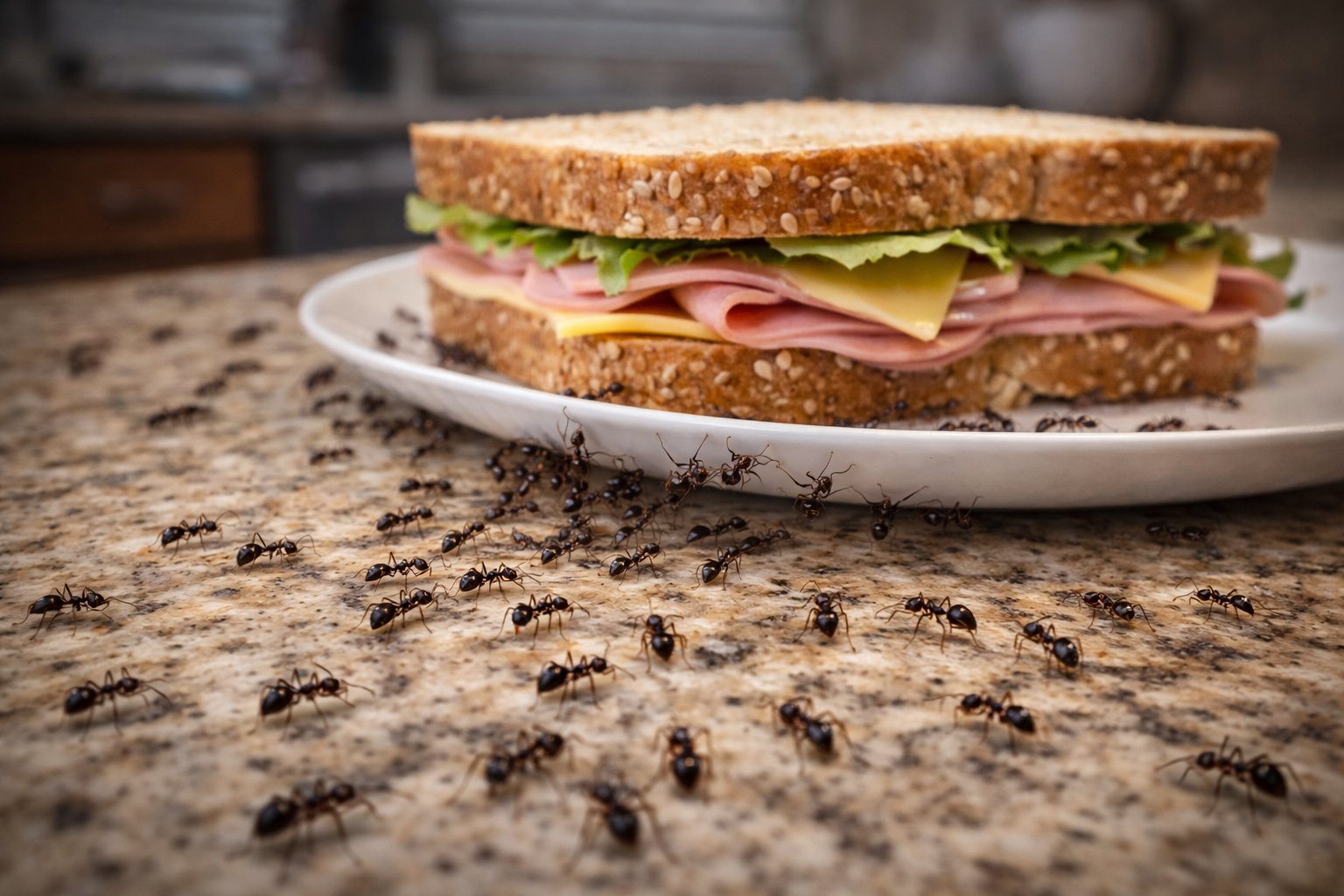
Ants aleays find a way to eat.
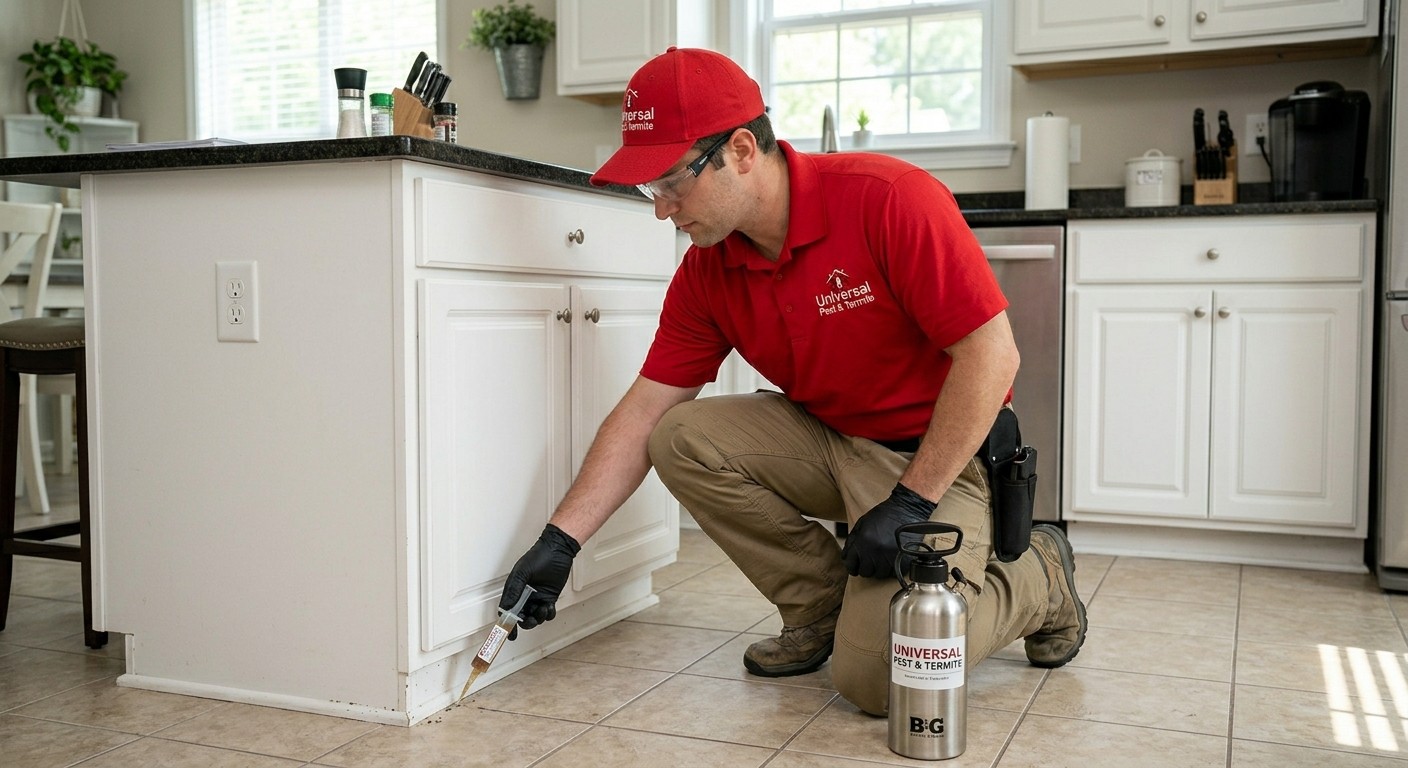
Ant pest control can be difficult. Make sure to consult a professional.
Record rainfall and mild winter conditions trigger massive displacement of ants in Virginia Beach and Chesapeake.
Data collected over the first half of 2026 indicates that the Hampton Roads region is experiencing a perfect storm of environmental conditions, forcing subterranean ant colonies out of their natural habitats and directly into local structures.
A Regional Surge: The Hardest Hit Areas
While the uptick in structural invasions is regional, specific coastal zip codes have registered a disproportionately high volume of emergency pest calls. In Virginia Beach, saturated sandy soils and shifting water tables have pushed colonies upward in dense residential pockets. In Chesapeake, mixed wooded terrains and new structural developments have displaced massive, established underground networks.
The following areas have reported the highest concentration of infestation activity so far this year:
- Virginia Beach: 23456 (including Princess Anne and Red Mill areas) and 23454 (including Alanton and Great Neck corridors).
- Chesapeake: 23320 (Greenbrier and central commercial/residential zones) and 23322 (Great Bridge and Hickory areas).
The "Perfect Storm" Driving the 2026 Invasions
Entomologists point to three primary environmental factors that have turned 2026 into a historic year for regional ant populations:
1. Saturated Subsoils: Heavy, consecutive rainfall events across Hampton Roads this spring significantly raised the local water table. To avoid drowning, subterranean species—such as Odorous House Ants and Pavement Ants—have migrated upward into dry foundation voids and wall insulation.
2. Lack of Winter Dormancy: An exceptionally mild winter across the mid-Atlantic meant local colonies never entered a true dormancy period. As a result, populations entered the spring with mature, fully established numbers and an immediate, aggressive demand for food resources.
3. Foraging Overdrive: Rapid local development has cleared large swaths of natural foraging grounds, driving displaced colonies to seek shelter and moisture inside nearby residential pantries and bathrooms.
The Hidden Trap: Why Traditional DIY Methods are Failing
Local property management experts warn that standard, store-bought repellent sprays are largely proving ineffective against this year’s super-colonies. When synthetic repellents are applied to highly sensitive species like the Odorous House Ant, it frequently triggers a survival mechanism known as "budding."
Believing the nest is under existential threat, the single colony panics and splits into multiple satellite units, each with its own egg-laying queen. What begins as a single localized kitchen issue can quickly transform into multiple severe infestations throughout a home within 48 hours.
Recommended Preventative Actions for Homeowners
To minimize the risk of indoor structural breaches without triggering colony splitting, residents in the high-activity zip codes are urged to adopt strict exclusion and sanitation habits:
* Eliminate Moisture Trails: Ants are primarily driven by a search for water. Repair leaky exterior spigots, keep gutters clear, and avoid leaving wet bath mats or damp laundry on floors.
* Establish Food Barriers: Store all baking goods, sugars, cereal boxes, and pet food in heavy-duty, airtight plastic or glass containers. Wipe down countertops daily with vinegar to disrupt pheromone scout trails.
* Create a Physical Perimeter: Trim tree branches and ornamental shrubs back at least 12 inches from the roofline and siding. Ensure all cable, plumbing, and electrical entry points into the foundation are sealed with exterior-grade silicone caulk.
For severe or persistent infestations, property owners are strongly advised to consult with a licensed, local pest management professional capable of deploying non-repellent transfer baits, which eradicate the hidden queen and the root of the colony safely.
George Pilkington
Universal Pest & Termite, Inc.
email us here
Visit us on social media:
Instagram
Facebook
YouTube
X
Legal Disclaimer:
EIN Presswire provides this news content "as is" without warranty of any kind. We do not accept any responsibility or liability for the accuracy, content, images, videos, licenses, completeness, legality, or reliability of the information contained in this article. If you have any complaints or copyright issues related to this article, kindly contact the author above.
