

Grease Trap Neglect Raises the Risk of Overflows, Sewer Backups and Costly Plumbing Repairs for Los Angeles Restaurants
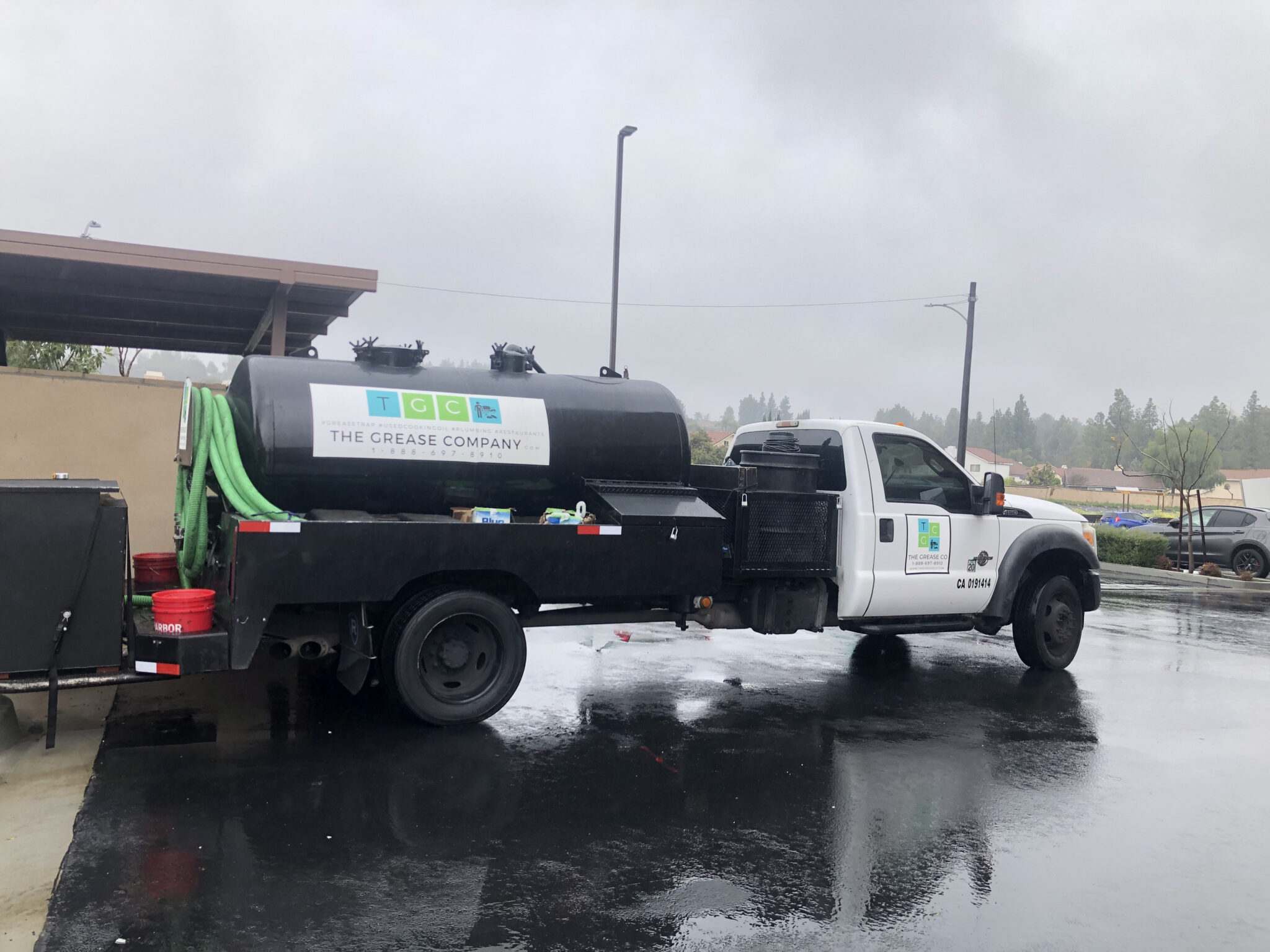
Grease management company service truck serving restaurants in Los Angeles, California.
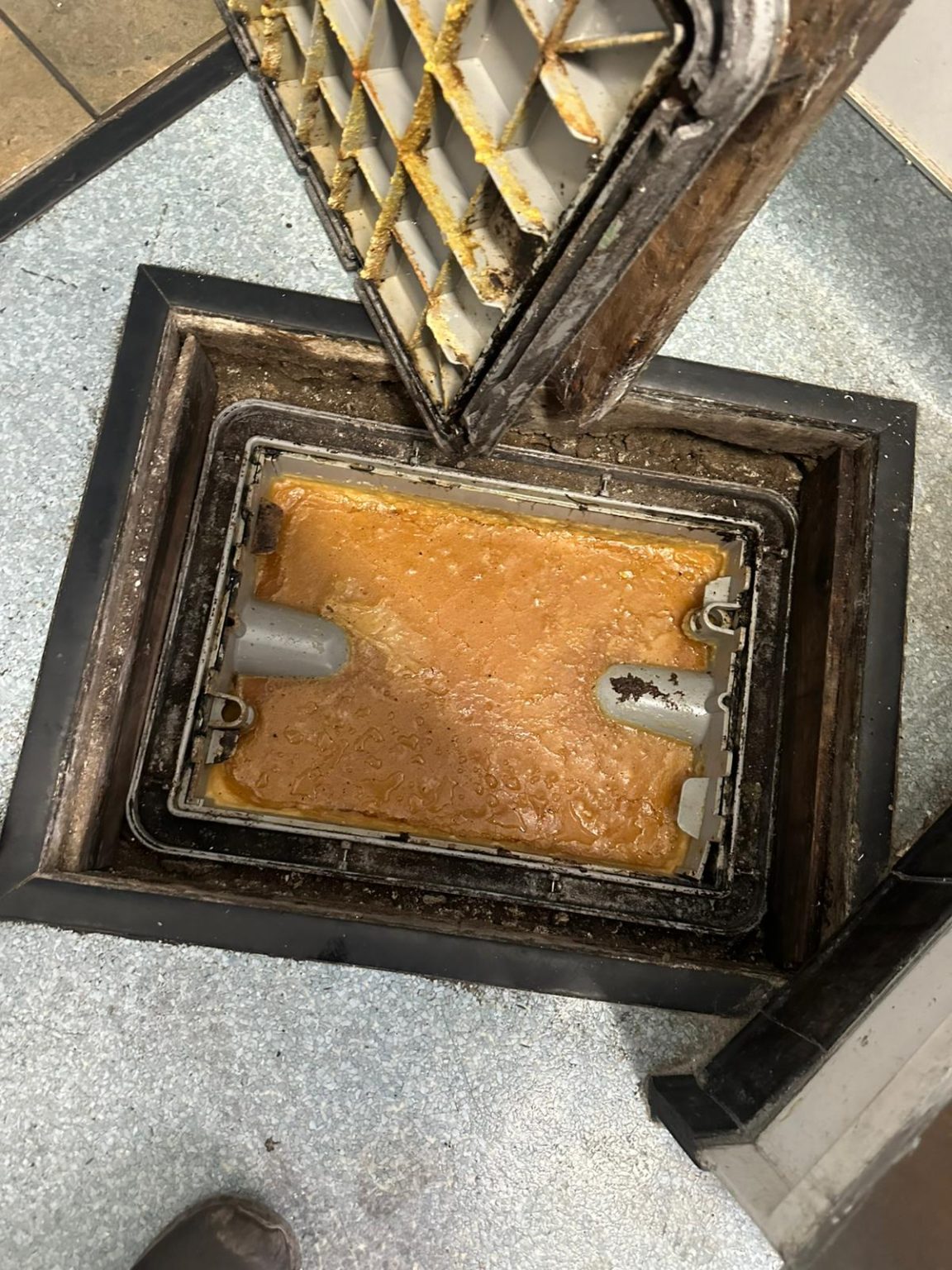
Overflowing commercial kitchen grease trap containing accumulated grease and food waste at a Los Angeles restaurant.
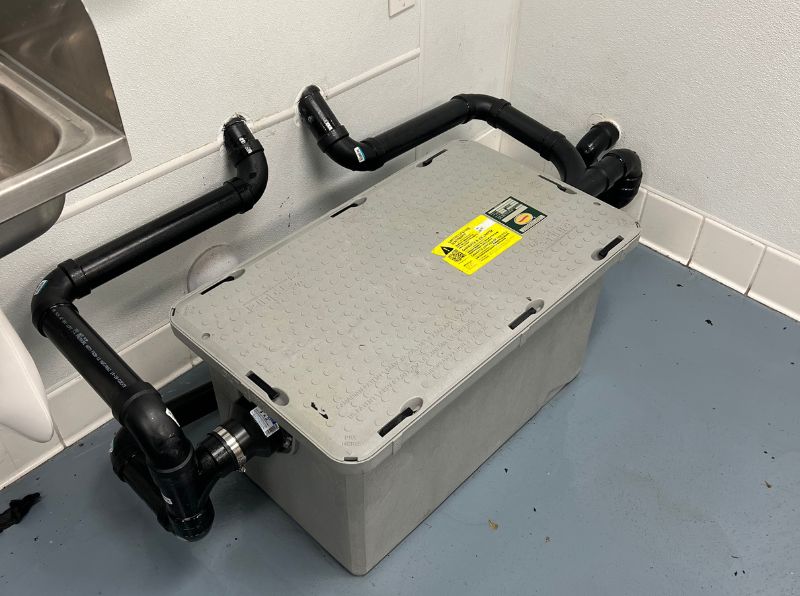
Grease trap installed beneath a kitchen sink in a Los Angeles restaurant to help prevent grease buildup in drain pipes.

Bulk collection of used animal fats from commercial food operations for proper grease waste management.
Los Angeles restaurants face costly disruptions and potential regulatory penalties from grease buildup, highlighting the need for proper grease management.
Grease traps and grease interceptors operate on the principle that fats, oils and grease generally separate from wastewater and rise to the surface as the water slows inside the device. Food particles and heavier solids settle toward the bottom, while the partially separated wastewater continues through the plumbing system. This process allows the equipment to retain a portion of the grease and solids before they reach downstream sewer lines. The main difference between grease traps vs grease interceptors lies in their size, capacity and installation. Grease traps are typically compact units installed beneath sinks or near kitchen fixtures, while grease interceptors are larger-capacity devices often installed underground or outside commercial buildings to serve kitchens with greater wastewater volumes. However, neither device can retain grease and solids indefinitely. Daily frying, dishwashing and food preparation continually introduce additional waste, gradually reducing the available storage capacity. If grease trap cleaning and pumping are delayed, accumulated material can interfere with effective separation and allow more grease to pass into connected drainage pipes. Once inside sewer lines, grease can cool, solidify and adhere to pipe walls. As deposits combine with other debris, they can restrict wastewater flow and contribute to blockages. When grease builds up inside sewer pipes, the problem can quickly extend beyond a restaurant's own plumbing. Blocked lines may require sewer crews to clear accumulated deposits and carry out additional maintenance, adding to the work needed to keep wastewater flowing. Restaurants, meanwhile, can be left paying for drain cleaning, plumbing repairs and the disruption caused by the backups.
The cost of a grease-related plumbing failure can extend well beyond clearing a blocked drain. Restaurant operators may face emergency plumbing bills, damaged equipment, cleanup expenses and interruptions to kitchen operations. When wastewater backs up into food preparation or dishwashing areas, the incident can create additional sanitation concerns and complicate normal service. For busy restaurants, even a temporary plumbing failure can affect staff workflows and the ability to serve customers. “Grease problems are easier to manage before they cause a backup. Regular cleaning and proper disposal can help restaurants avoid costly repairs, kitchen disruptions and trouble with their drains,” said a spokesperson from a local grease management company. The consequences can also extend beyond the property where the blockage begins. Grease that enters connected drainage pipes can accumulate farther along the system, potentially contributing to restricted flow and blockages that require additional plumbing or sewer work. This creates a broader infrastructure concern alongside the immediate expense faced by individual food businesses. The scale and cost of any incident depend on its location, severity and the work needed to restore normal drainage.
In the City of Los Angeles, LA Sanitation & Environment (LASAN), through its Industrial Waste Management Division, administers the fats, oils and grease control program to help protect public sewer infrastructure. Covered food service establishments must comply with applicable wastewater requirements, which may include obtaining an industrial wastewater permit and using approved grease removal equipment. Violations can trigger enforcement action, with penalties depending on the circumstances and the applicable law. Food facilities are also subject to separate health inspections. The Los Angeles County Department of Public Health identifies clogged or overflowing grease traps and interceptors as potential major violations that may lead to permit suspension. For food processing facilities, the consequences can therefore extend beyond the immediate repair, potentially affecting regulatory compliance and the ability to continue normal operations. Requirements vary by jurisdiction, making the restaurant’s location an important factor in determining which rules to follow. Inspections and enforcement actions may also require operators to address identified deficiencies, adding further costs and administrative demands when violations are confirmed.
Local restaurant grease-waste management professionals emphasize that restaurant operators should watch for early warning signs of drainage trouble before they develop into costly disruptions. Slow-draining sinks, recurring clogs, unpleasant odors near kitchen drains, and grease or wastewater backing up around fixtures may indicate that a restaurant’s grease trap or interceptor needs attention. If these warning signs are overlooked, restaurants may face worsening blockages, emergency plumbing expenses and interruptions to food preparation or dishwashing during busy service hours. Experts recommend regularly having grease traps and interceptors inspected and cleaned according to the facility’s needs, wastewater output and applicable requirements. Staff should also avoid pouring cooking fats, oils and grease directly into sinks or floor drains. Food scraps and solid waste should be kept out of drainage systems to reduce the material entering grease removal equipment. Used recyclable fryer oil should be stored in suitable containers for certified used cooking oil collection by a qualified used cooking oil collection company rather than poured into drains or disposed of with wastewater. Grease traps and interceptors play a critical role in commercial wastewater management, but their presence alone cannot eliminate the risks associated with restaurant grease waste. From unexpected plumbing failures to potential regulatory consequences, poor grease management can affect several aspects of food-service operations. The issue ultimately extends beyond a single blocked drain, placing greater importance on how commercial kitchens manage the grease-waste generated.
Manager
The Grease Company
Visit us on social media:
Instagram
Facebook
YouTube
Legal Disclaimer:
EIN Presswire provides this news content "as is" without warranty of any kind. We do not accept any responsibility or liability for the accuracy, content, images, videos, licenses, completeness, legality, or reliability of the information contained in this article. If you have any complaints or copyright issues related to this article, kindly contact the author above.
